Mine is bigger than yours.
27 October 2026I'm talking about comparing the size of the trucks we drive, naturally.
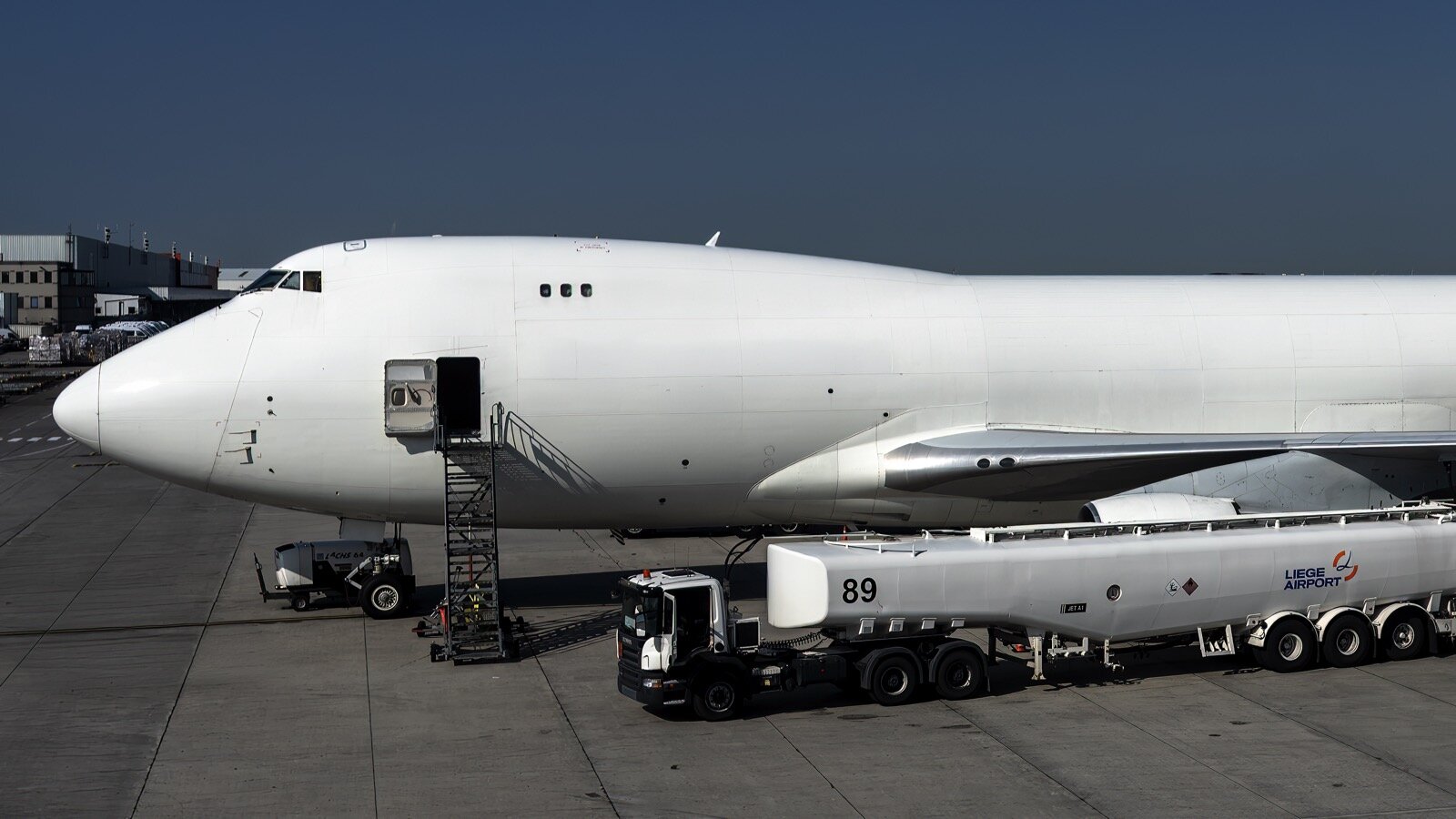
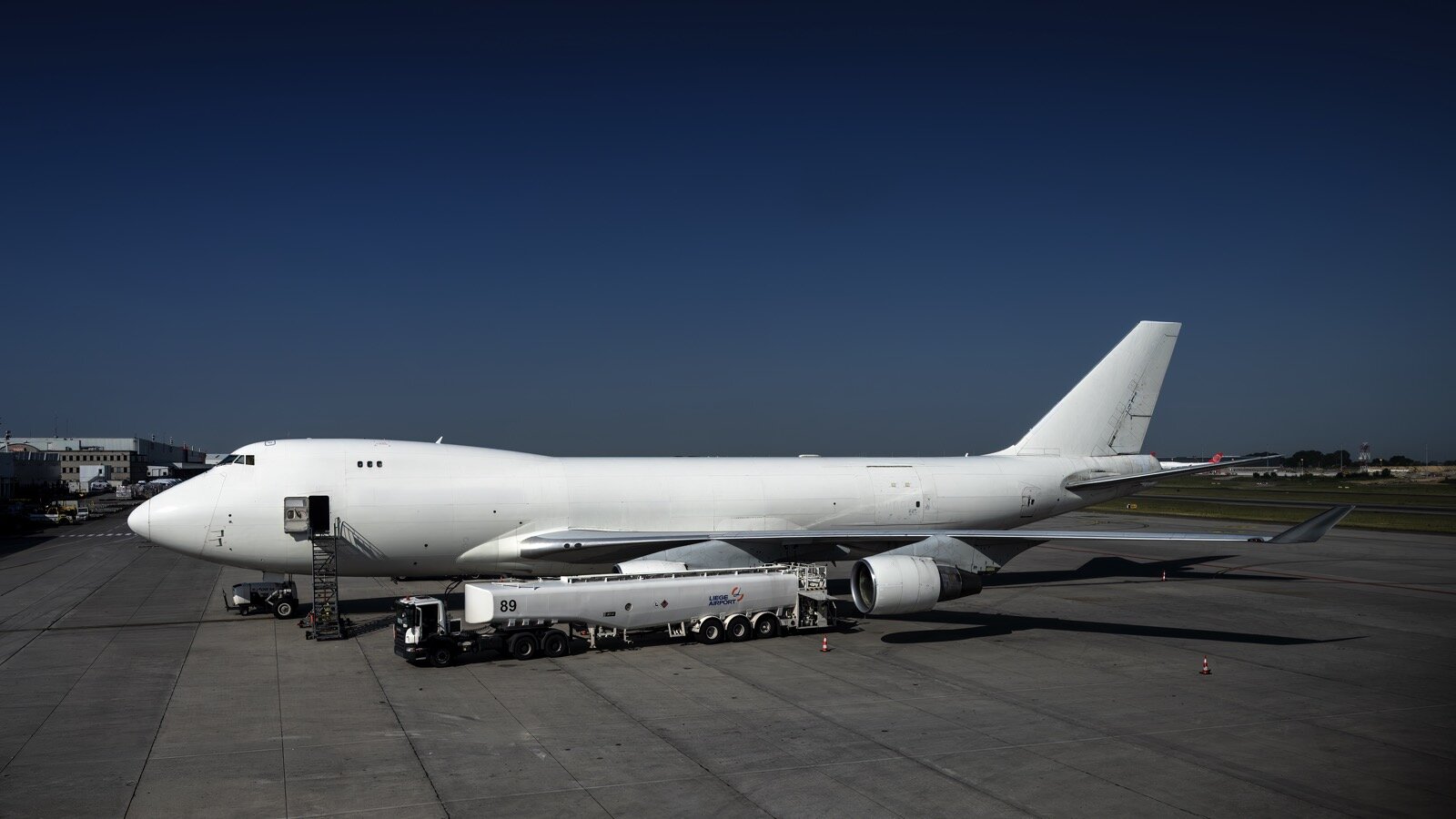
No matter how many times I walk up to the Boeing 747 I'm about to fly, its sheer size and presence never fail to impress me. But when a massive fuel tanker, about twice the size of a regular street truck, parks underneath the wing between two jet engines and starts pumping biblical amounts of dino-juice into the tanks, you genuinely appreciate the stupendous size and engineering of the Jumbo Jet.
The fuel numbers are equally staggering. Running the APU on the ground to supply electricity and pressurised air for A/C uses about 400 kg (880 lbs) of fuel per hour. Starting all four engines costs another 100 kg (220 lbs). Taxiing to the runway: about 45 kg per minute. Let's round that up to 1,500 kg of kerosine from engine start to the runway. Rookie numbers so far.
Takeoff: around 10 kg at full thrust. Per. Second.
Climbing to our initial cruising level: about 10,000 kg of fuel, roughly what we burn every hour in cruise.
I sometimes compare the fuel totaliser in the cockpit to a kitchen timer: once we start the engines, that number slowly but inevitably counts down. And no matter what, I desperately want to land on a solid runway well before it reaches zero.
And these aeroplanes fly about 10 to 18 hours a day. Every day. Every month. Every year.
Of course, on many flights we carry goods that keep the world from grinding to a halt: oil drilling equipment, fresh food, medical supplies, commercial goods and livestock in all sorts, sizes and shapes.
I guess that balances out the sheer amount of cheap sex toys, rubber dog shit and the latest lingerie fashions we haul across the world.
Anyway, fill 'er up, please.
We've got a quarter of the planet to cross today.