Halloween. An ancient celebration of surviving a true cosmic horror?
23 October 2026For the longest time I assumed Halloween was just a modern American festival, but the deeper I dove into its history and lore, the more intriguing its origins became.
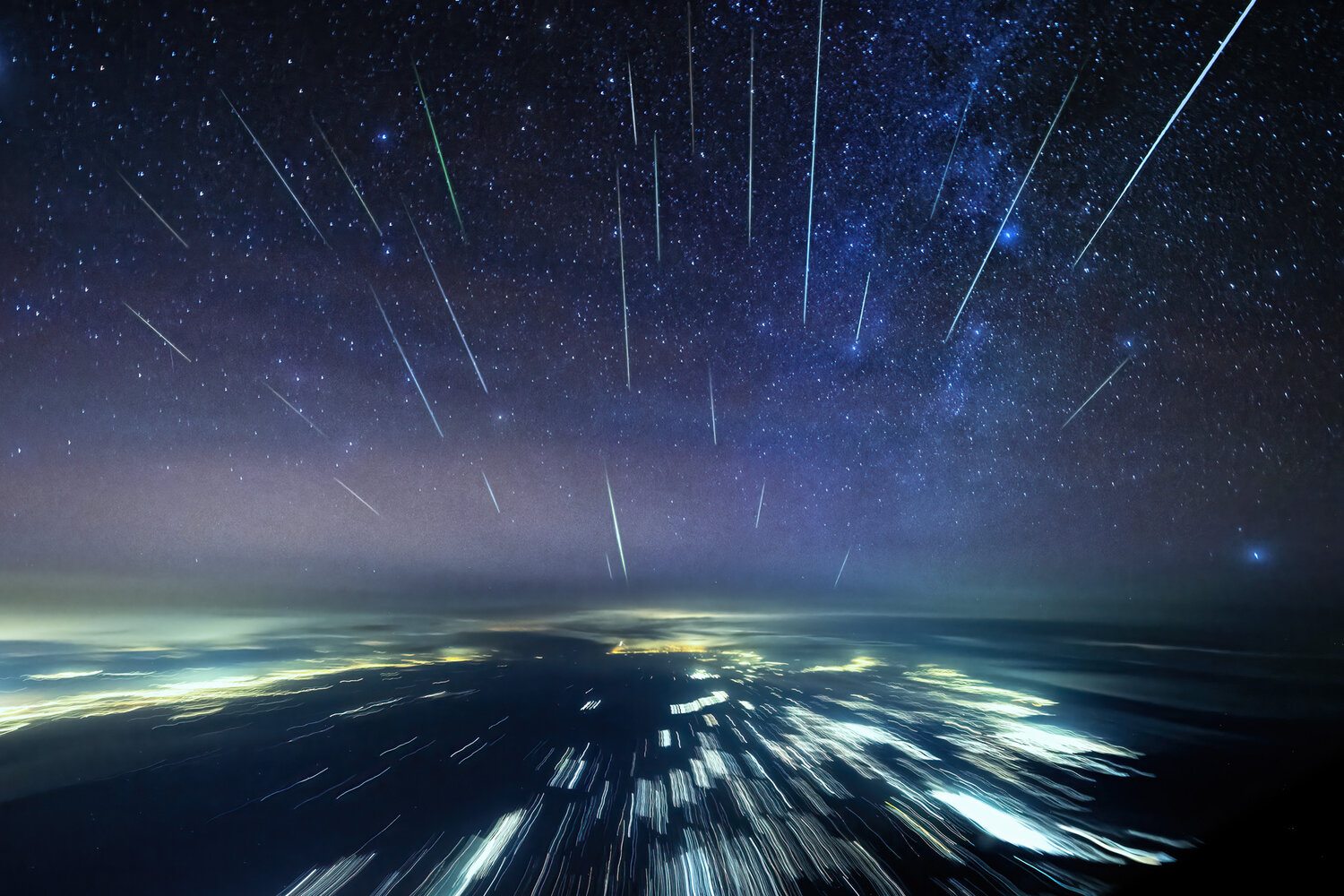
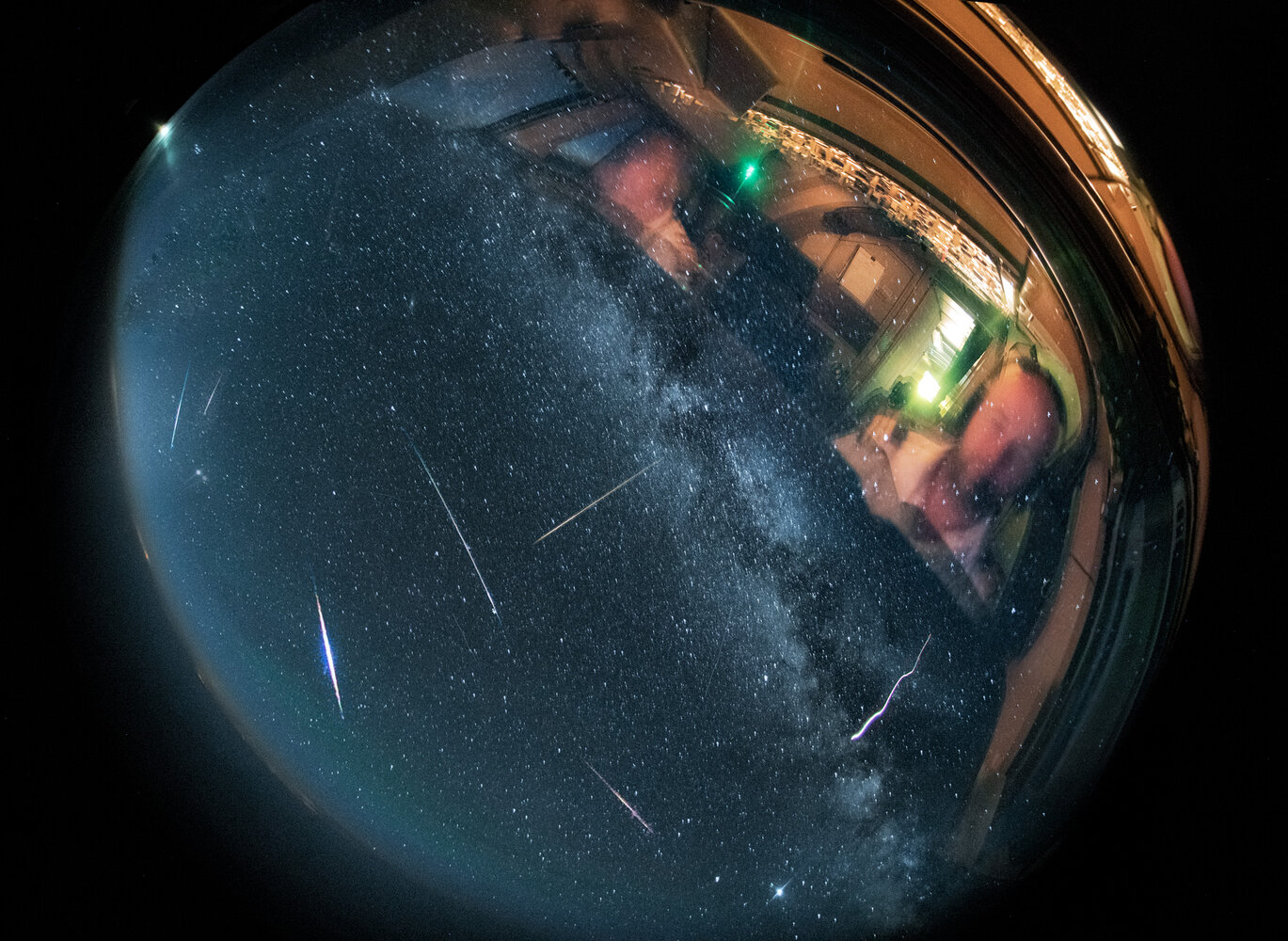
The ancient Celts celebrated Samhain around this time of year, marking the transition from summer into winter. Later Christian traditions adopted many of these rituals and customs. But if traditions could be passed on so easily, who's to say the Celts hadn't inherited Samhain from an even older pagan celebration? Perhaps one going back 12,900 years. Hear me out.
Around 12,900 years ago, Earth's climate changed dramatically, in what amounts to the blink of an eye on a cosmic timescale. Scientists still disagree on what exactly triggered the Younger Dryas. The sudden shift transformed landscapes and living conditions, possibly causing mass casualties and uncertainty that lasted for generations. A good reason to pass down memories of such a traumatic chapter in our history, I guess.
The Younger Dryas Impact Hypothesis, proposed in 2007, caught my eye. It suggests Earth might have passed through the debris field of an enormous comet that broke into countless pieces near the Sun, scattering fragments of ice and rock as gravitational forces tore it apart during its final passage.
And lo and behold, every autumn our planet travels through the Taurid meteor streams, active from September into December and producing spectacular fireballs across the night sky. Remnants of an ancient broken comet, sometimes called the “Halloween Fireballs”.
Who knows? Perhaps some of our traditions surrounding fear and darkness have roots in the distant prehistory of our species, when our ancestors may have survived an unimaginable catastrophe. Imagine watching those fireballs return year after year, wondering whether the horrors your ancestors spoke of might happen again.