Last Anchorage
13 March 2026On my first job as a pilot on the Fokker 50, I found myself flying for various African airlines, including a few weeks for the illustrious Air Mauritania, touring the blistering heat of this Saharan country. Each and every flight was an adventure on it's own, but one flight stood out for its bizarre and unexpected scenery.
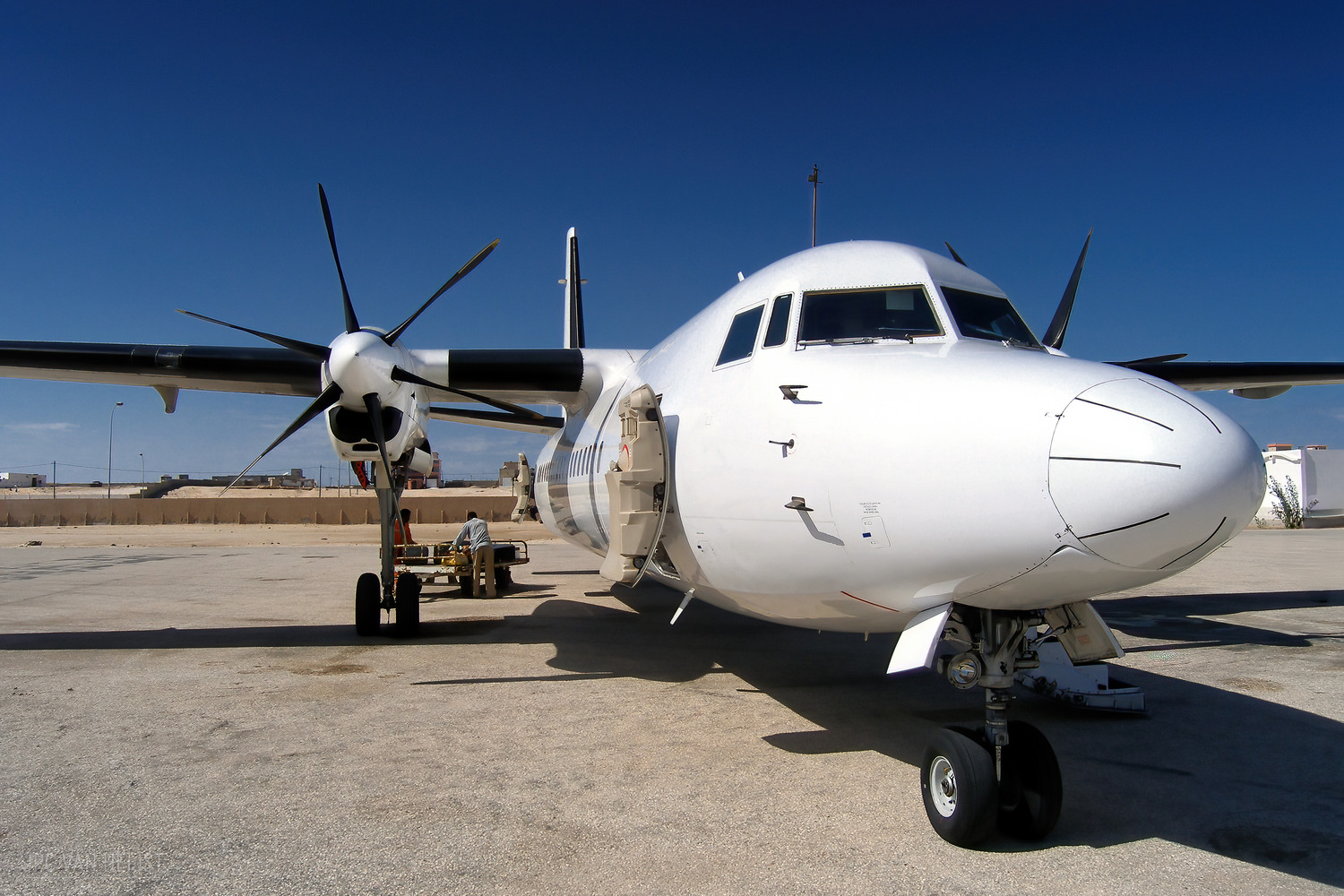
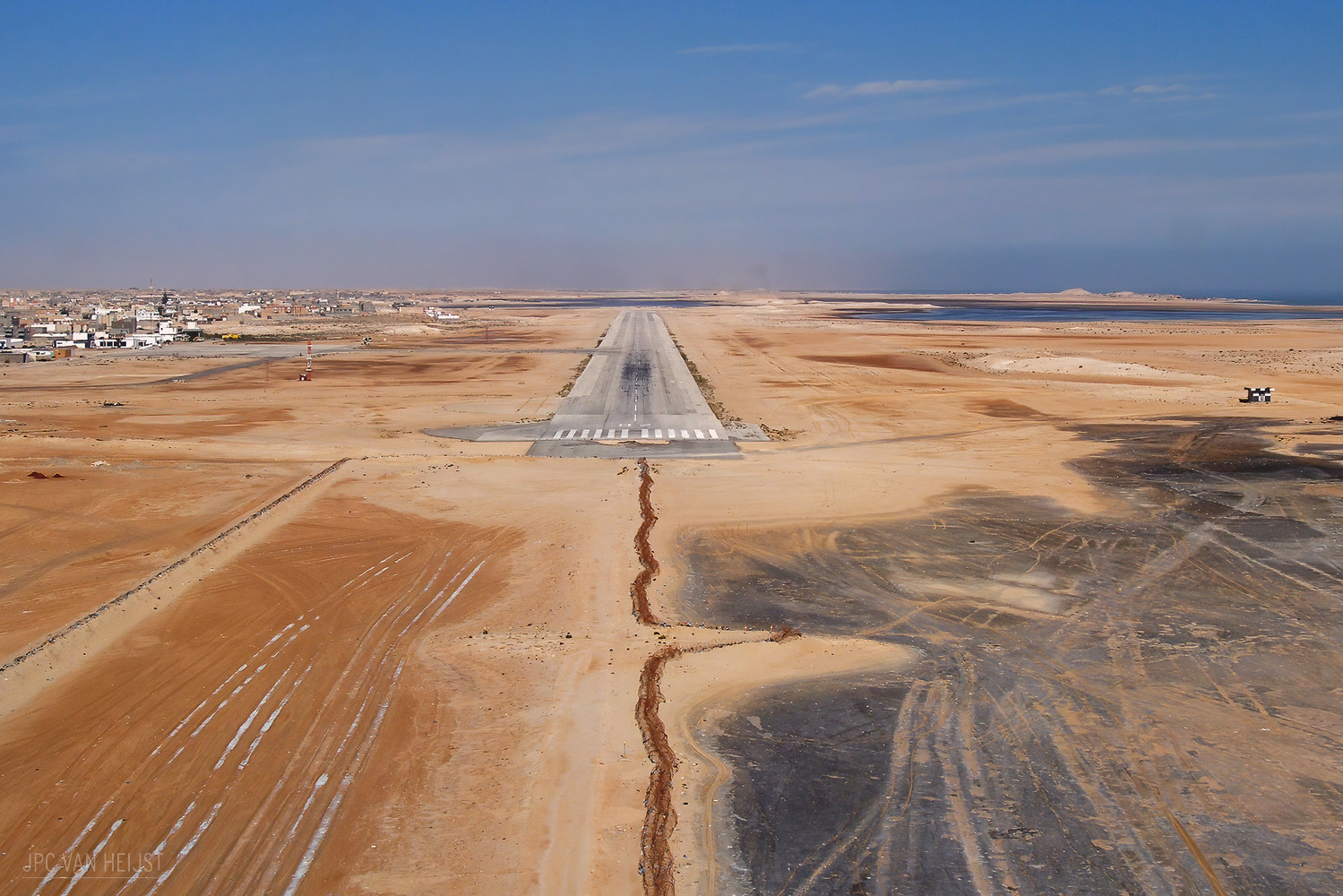
This month, exactly twenty years ago.
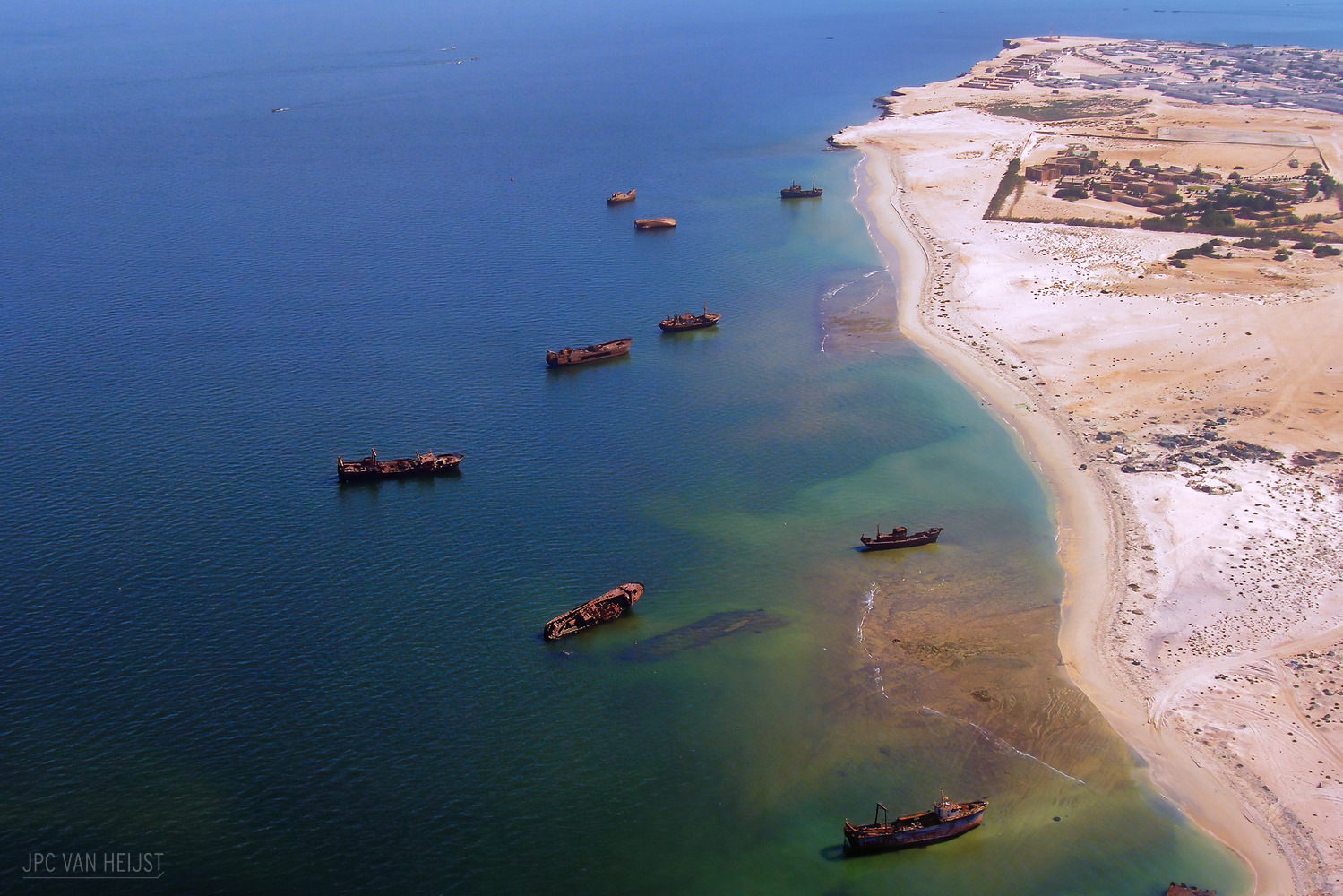
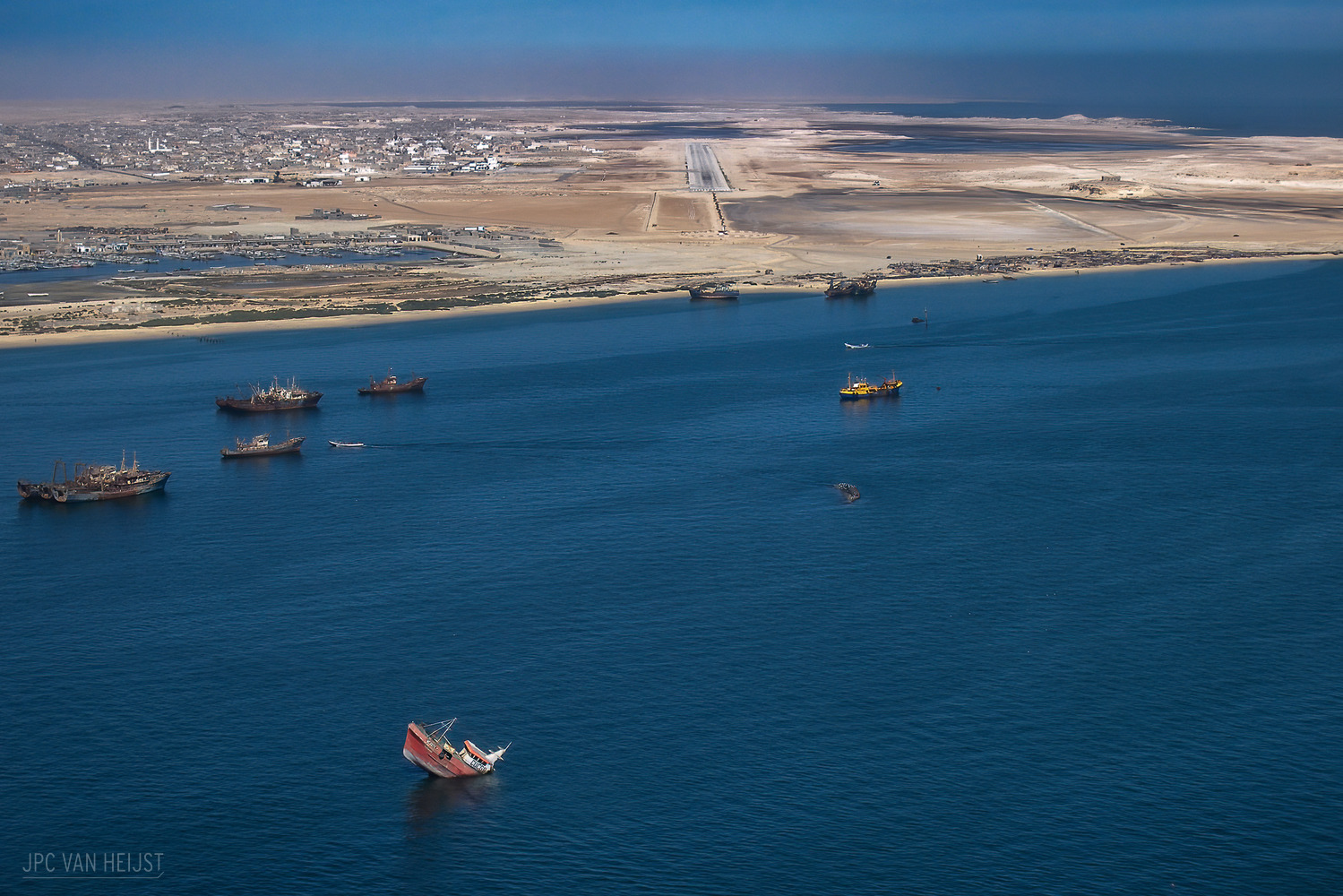
Descending towards the airport, I noticed a staggering number of ships and wrecks strewn as far as the eye could see. I was witnessing the largest ship graveyard in the world: the bay of Nouadhibou, the second-largest city of Mauritania.
For decades, ships have been dumped here and left to the elements, for it was cheaper to just abandon them than to dismantle them properly. A handful of dollars can do miracles in a poor region like this, especially after the local fishing industry collapsed when it was unable to compete with the more modern foreign floating fishing factories that emptied the ocean they relied on.
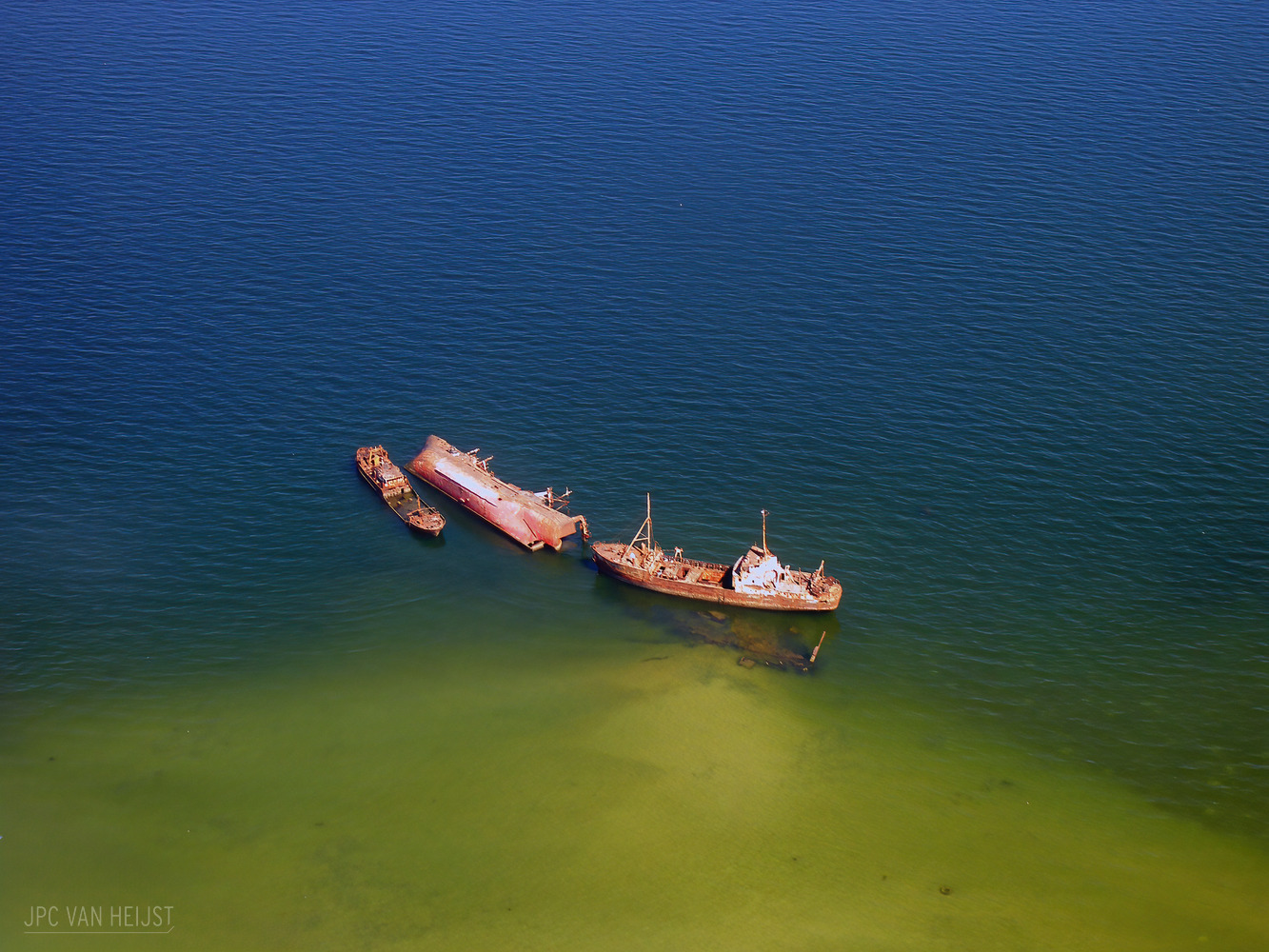
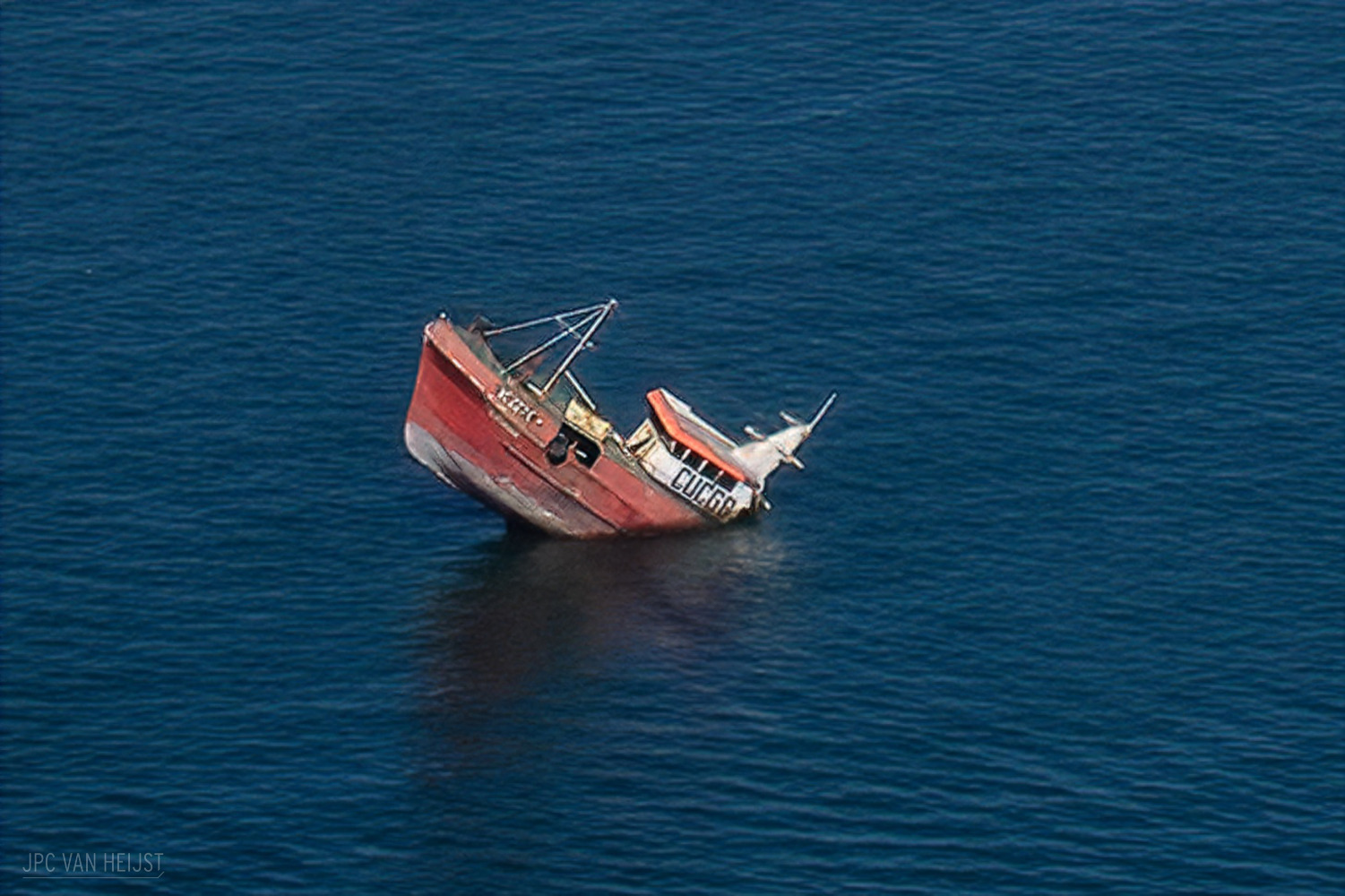
And thus hundreds of ships have been dumped here for decades. Trawlers, cargo ships, and naval vessels were brought here from across the globe to be unceremoniously left to the elements. Rusty skeletons, discarded in a sandy corner of the world where nobody noticed, nor cared.
There have been major concerns about the environmental damage these leaking wrecks might have caused, but in a beautiful and unexpected twist of fate, it has been noted that many of those shipwrecks have turned into artificial reefs, attracting a lot of sea life, slowly but surely reviving the diminished fishing industry.
Fortunately, as of 2026, with some international aid, there have been efforts to start dismantling the wrecks properly, but there is a long way to go.
For many of them, this forgotten bay became their final anchorage.